


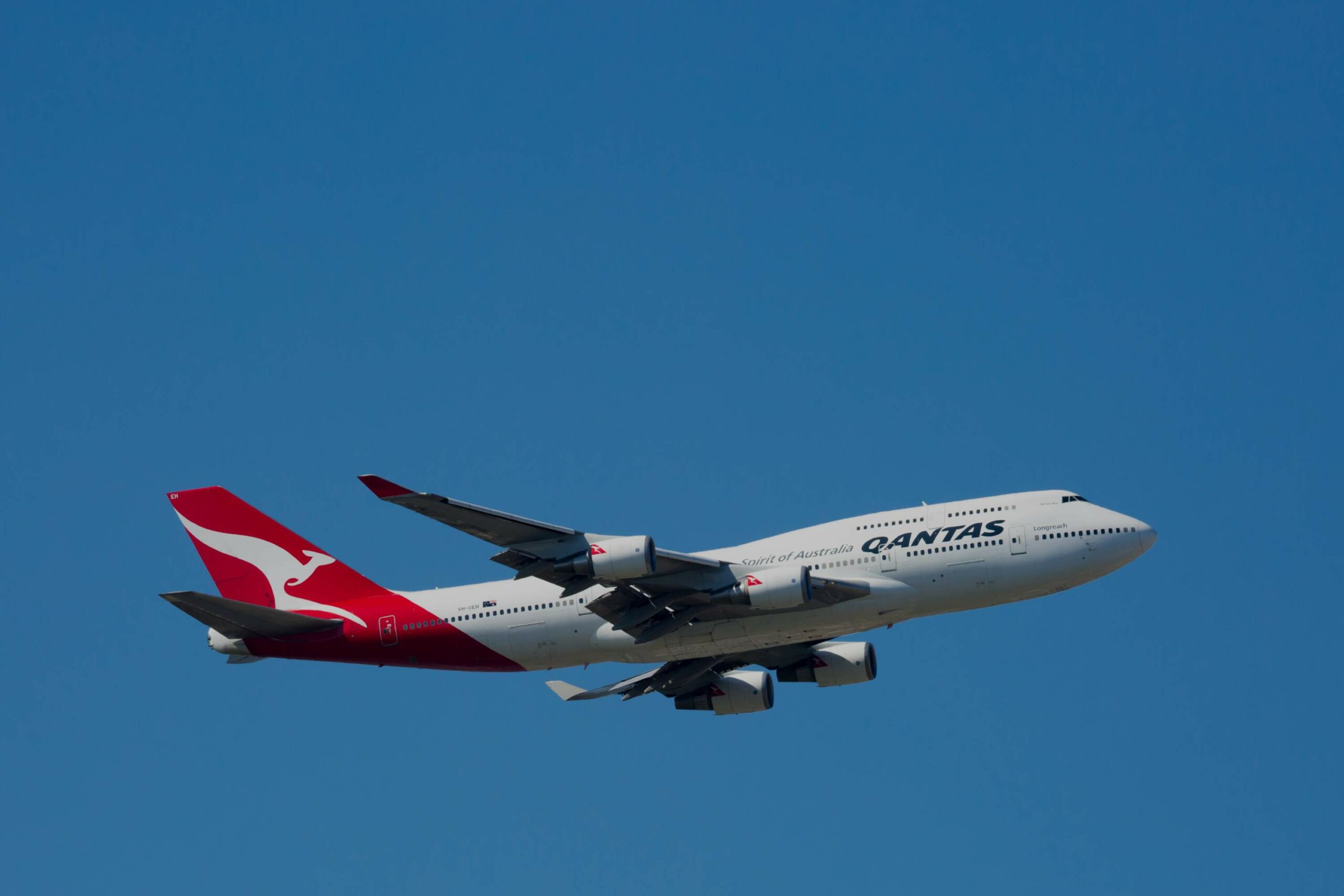
Qantas Board Confronts Leadership Failures: What We Can Learn
On August 8, Qantas unveiled a governance review report that openly shares the highs and lows of their recent leadership, both management and board, in their post-Covid pandemic re-start phase. With a new Chair set to take over in September 2024, this report is transparent, reflective and revealing. We can’t help but see our core values reflected throughout the report. We are glad to see the board embracing governance innovations.
Understanding Top-Down Leadership: A Barrier to Innovation
One of the most pointed criticisms in the Qantas report is the top-down leadership style that has prevailed in recent years. This approach, characterised by a hierarchical structure where decisions flow from the top down, no questions asked, can stifle creativity and limit accountability. As John Mullen aptly puts it, “We’re not hiding it. We did have a very top-down culture. Alan was a very, very strong, successful CEO, but that led to an unquestioning environment. And sometimes decisions need to be questioned, even from the smartest of people.”
There may have been a time and place for this management style during COVID-19 when Qantas faced bankruptcy-inducing decisions. However, it seems that post-pandemic, they missed the memo to transition away into more robust challenges around the boardroom and with management.
Feedback is incredibly important—actively sought and valued—especially when decisions are made with input from various levels of the organisation. This approach not only improves morale but also drives better outcomes by ensuring that leadership is consistently challenged and held accountable. At Grounded, we focus on dynamic training and effective communication to help organisations shift away from top-down dynamics towards a more inclusive and engaging leadership model. We’re glad to see the report recognises how important they see that.
Building Stronger Relationships with Stakeholders and Customers
The review also highlights the need for improved stakeholder engagement and a deeper understanding of customer insights. This aligns with our belief that building strong, collaborative relationships is essential for organisational success. Engaging stakeholders goes beyond mere communication; it’s about fostering genuine partnerships and actively listening to their concerns and needs. Similarly, gaining a nuanced understanding of customer expectations helps organisations align their practices with stakeholder values.
By adopting strategies that prioritise open dialogue and collaborative problem-solving, organisations can build trust and enhance their ability to respond to emerging challenges and opportunities. This holistic view not only benefits customers but also creates a more resilient and adaptable organisation.
In our workshops with boards, we often find that the organisation does not have a stakeholder engagement plan – or that the Board is not aware of its role in the plan. Boards can and must do better.

Ensuring Fairness and Transparency in Remuneration
The report suggests revising Qantas’ remuneration structure to better balance financial performance with broader expectations. This call for greater transparency and fairness in remuneration practices is something we hope will ripple through corporate Australia and New Zealand. Effective remuneration strategies should align not only with financial goals but also with the organisation’s core values and long-term objectives.
We support remuneration practices that are equitable and transparent, ensuring that compensation decisions are made with integrity and clarity. By fostering a culture where remuneration is closely aligned with organisational values, organisations can aim to build trust and accountability, both within the organisation and with external stakeholders.
Conclusion
Qantas has written and released the report itself. It’s true that their experienced business adviser, Tom Saar, was involved throughout the review. (He also wrote a single-page “message” endorsing the review’s genuine intent and commitment to change.) But the rest of the report has been written and released by Qantas itself. This lack of independence raises questions about the process for us and stands out in stark contrast to other recent governance reviews.

The Report provides a valuable critique of the company’s governance practices and offers insightful recommendations for improvement. By embracing open dialogue, moving away from top-down leadership, building stronger stakeholder relationships, and ensuring transparency in remuneration, organisations can foster a more effective and resilient governance structure. As Qantas transitions to new leadership, we look forward to seeing how these changes will shape its future. The new Chair starts with a fresh approach but needs to deliver on their promises.
If this Board had learned from other reviews, and been more agile, then perhaps the situation could have been avoided altogether. From the work we do and from observing many governance situations, there is a huge opportunity for boards to learn from each other, and commit to continuous improvement, rather than believing that their norms are best practice or even good enough!